Oye Como Va
Tito Puente's cha-cha-chá that crossed over. Tito Puente wrote and recorded Oye Como Va in the early 1960s. Santana's 1970 rock version made it a worldwide hit and a Latin music bridge.
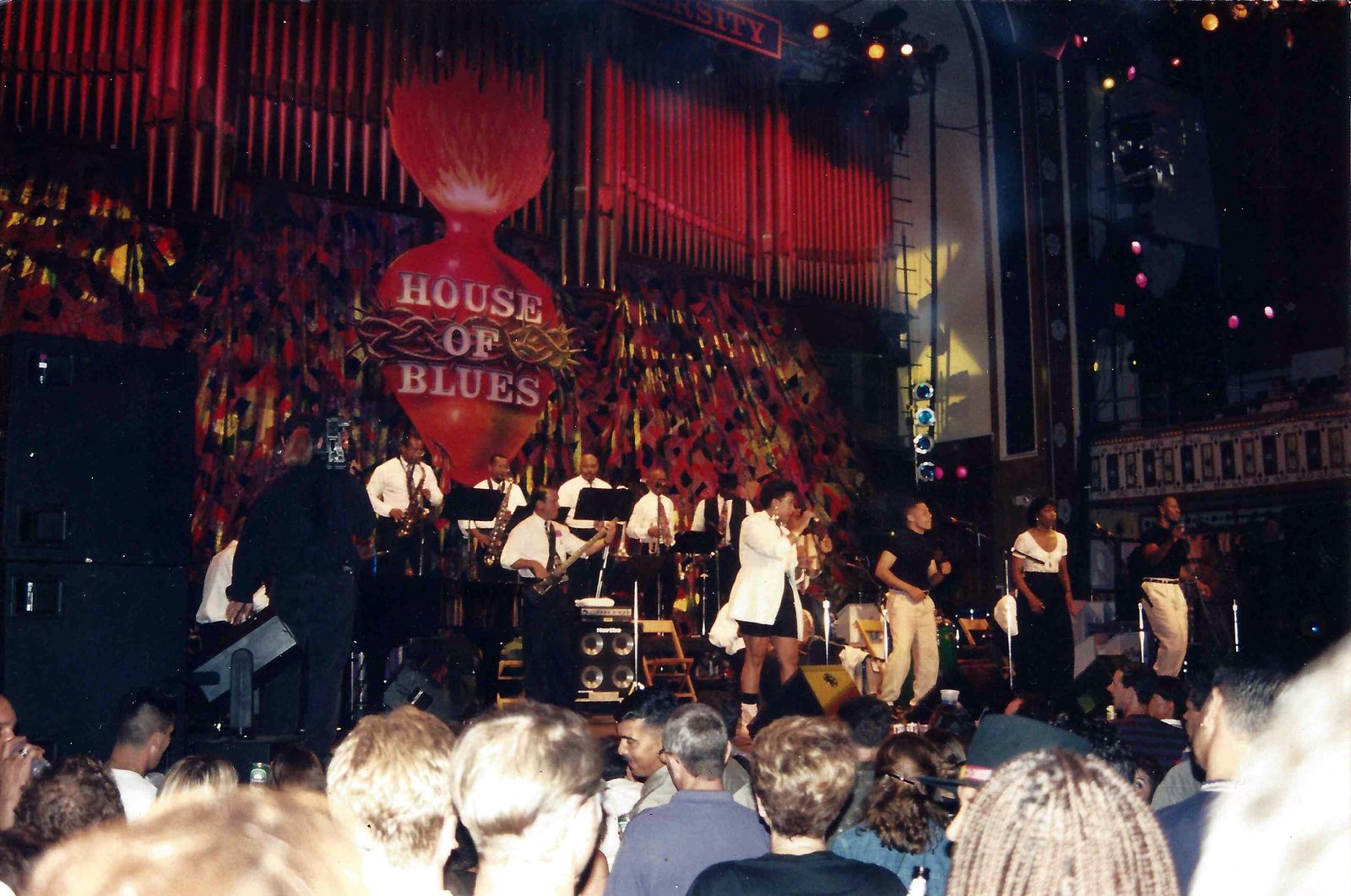
Tito Puente's band in Atlanta, 1996: Don Ramey Logan, CC BY-SA 3.0
The King of the Timbales
Tito Puente was born in New York in 1923 to Puerto Rican parents and grew up in Spanish Harlem. After serving in the U.S. Navy during World War II, he studied music at Juilliard and became one of the bandleaders who made the Palladium Ballroom the heart of the mambo craze. Standing behind his timbales, sticks flying and face beaming, he was pure showman.
Over a career of more than five decades he recorded more than 100 albums and won several Grammy Awards, earning the title El Rey de los Timbales.
Video: Tito Puente - Oye Como Va (Official Audio) (Tito Puente), embedded from YouTube.
A simple, irresistible groove
Puente wrote Oye Como Va, roughly listen how it goes, as a cha-cha-chá, the smooth Cuban dance rhythm popular in the 1950s and early 1960s. It appeared on his 1962 album El Rey Bravo. The tune rides a hypnotic two-chord keyboard vamp, a short sung refrain and room for flute and percussion to stretch out.
Its open, repeating structure made it perfect for dancers and for musicians who wanted to jam.
Santana's crossover
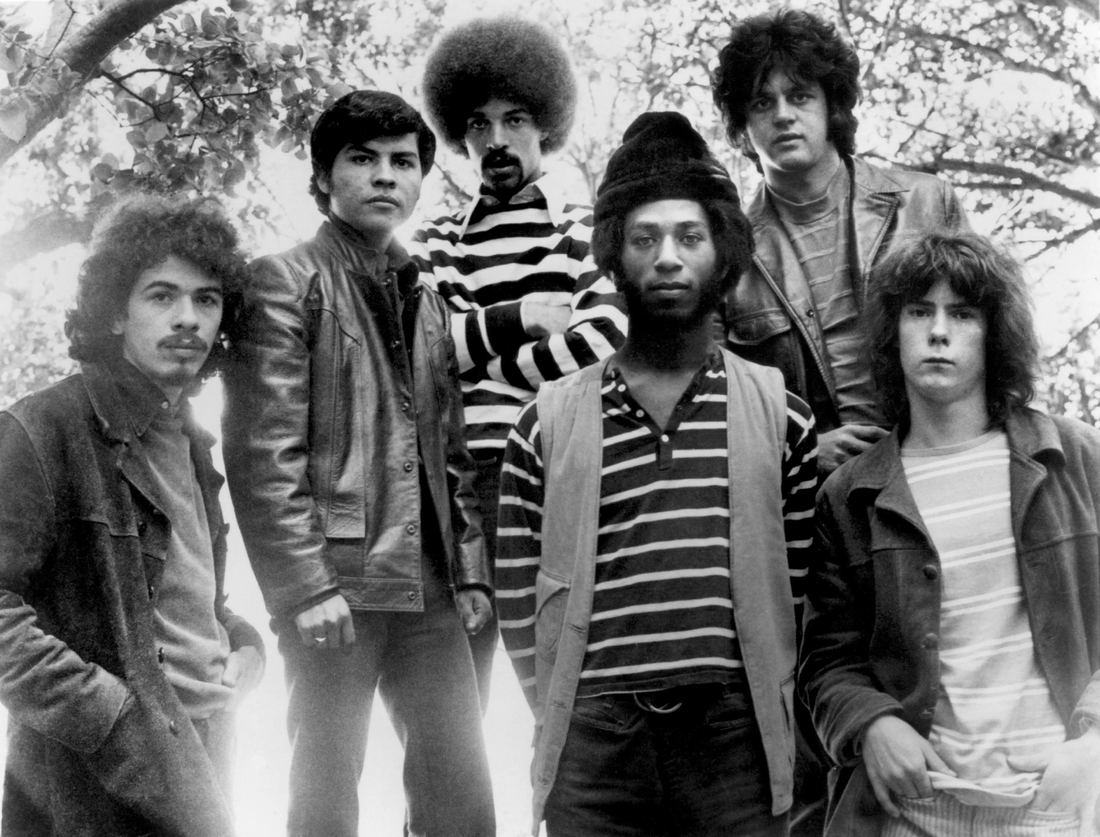
In 1970, Carlos Santana's band recorded the song for its second album, Abraxas, replacing the flute with searing electric guitar and organ. The single climbed into the U.S. top 20, and a generation of rock fans discovered a Latin standard without realizing it came from the mambo era.
Puente welcomed the attention and the royalties, and he liked to joke about the royalty checks the Santana version kept sending him.
The two recordings also show how songs travel. A tune written for New York Latin dancers reached rock radio, film soundtracks and countless cover bands, and it is still one of the first Latin melodies many people learn to recognize.
Why it matters to dancers
Oye Como Va shows how flexible Latin rhythm can be: the same song works as a ballroom cha-cha, a rock anthem and a salsa-night favorite. Dance it as cha-cha-chá with the triple step on 4 and 5, or simply enjoy the groove. Either way, you are hearing the bridge Tito Puente built between Latin dance halls and the wider world.
Listening to both versions side by side is a great lesson in arranging. Puente's original is light and bouncy, ideal for partner dancing, while Santana's is darker and heavier, built for a rock stage. The melody, chords and spirit survive both treatments, which is the mark of a truly great song.
- Wikipedia: Oye Cómo Va
- Wikipedia: Tito Puente
- Craft Recordings: El Rey Bravo Returns to Vinyl
- NPR: Oye Como Va (NPR 100)
Facts on this page were checked against these sources.
- Tito Puente's band in Atlanta, 1996: Don Ramey Logan, CC BY-SA 3.0
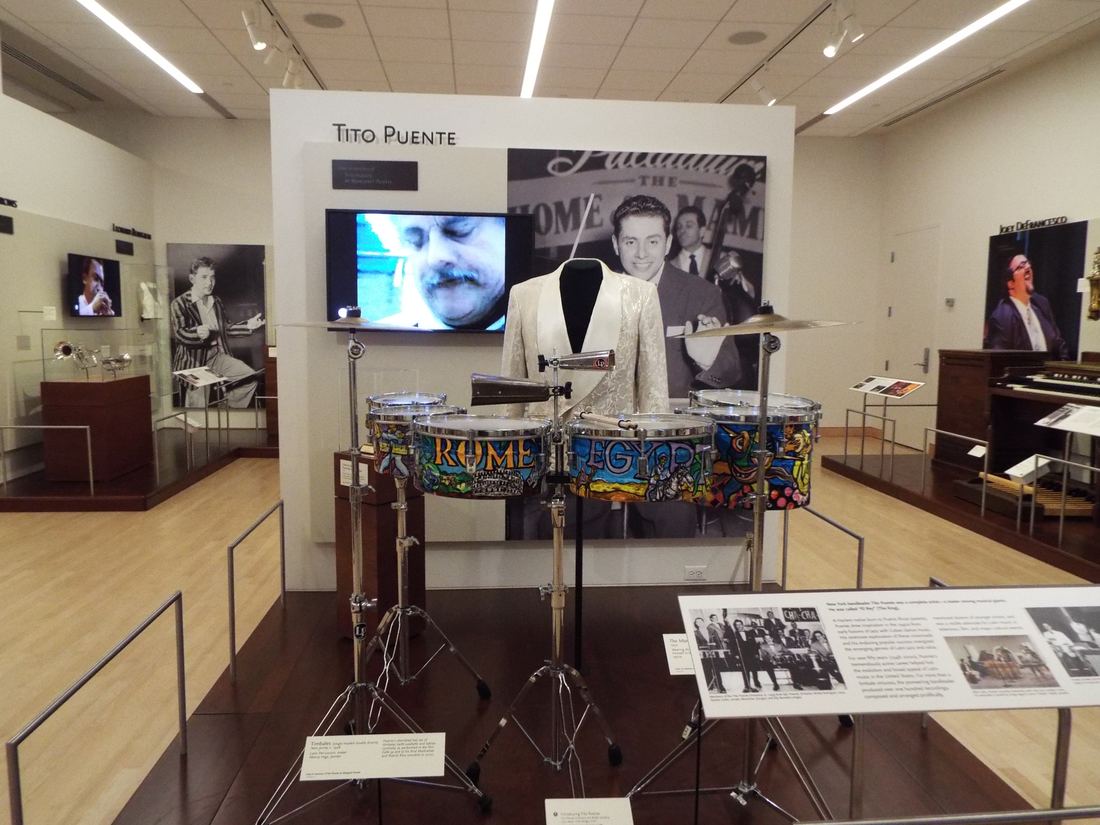
- Tito Puente exhibit, Musical Instrument Museum: Marine 69-71, CC BY-SA 4.0
- Santana in 1969: Distributed by Columbia Records, Public domain
Text written by Salsa Tranquila.