
Son Cubano Roots
The Cuban sound behind salsa. Son cubano grew in eastern Cuba, reached Havana in the early 1900s and gave salsa its clave, its call-and-response choruses and its swing.
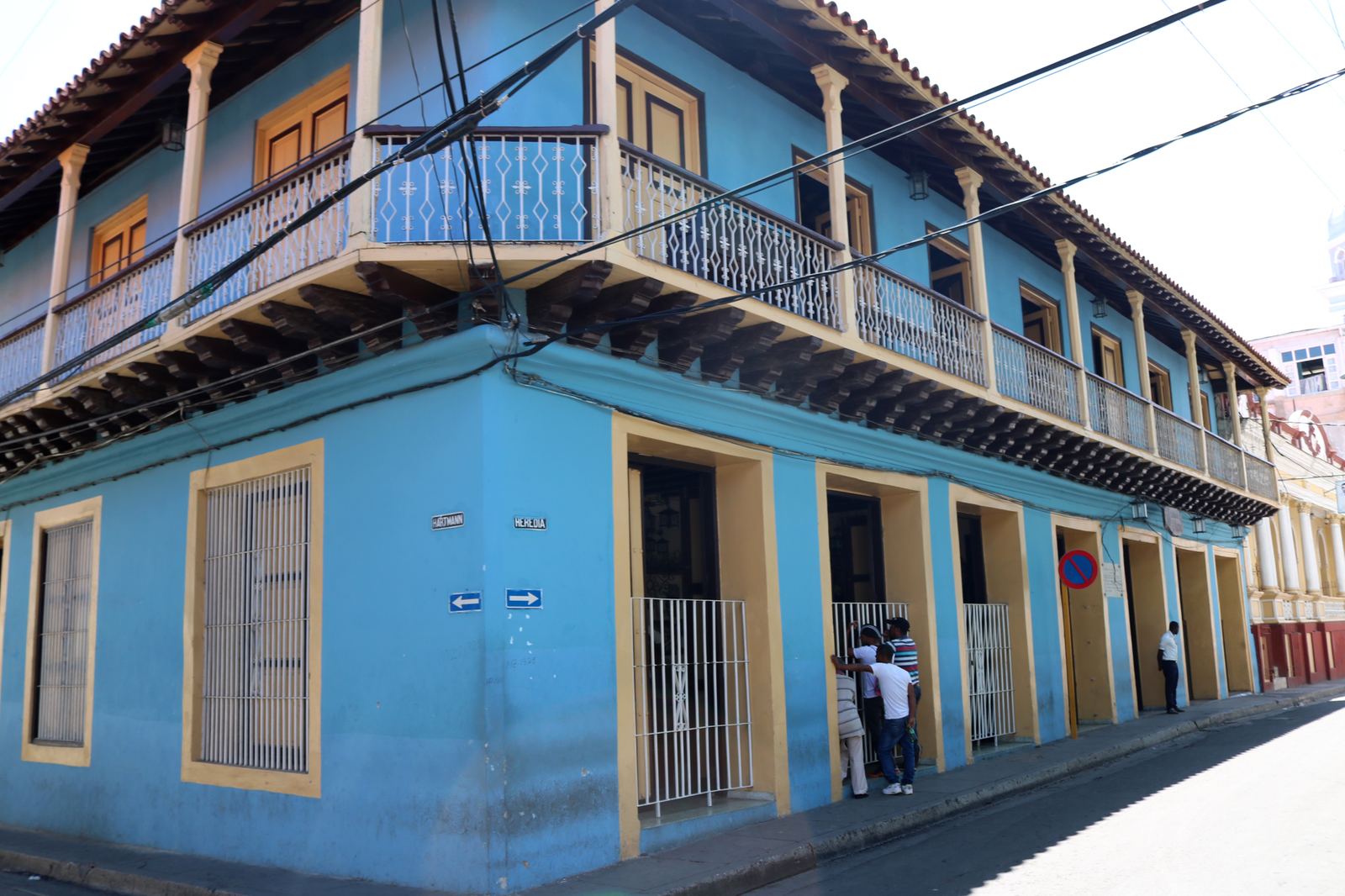
Casa de la Trova, Santiago de Cuba: Maesi64, CC0
Music from the east
Son cubano took shape in the rural Oriente region of eastern Cuba in the late 1800s, blending Spanish guitar and song forms with African rhythms and percussion. Its sound centered on the tres, a guitar with three doubled strings, along with bongos, maracas, claves and a bass line first played on the marímbula, a box with metal tongues.
In the early 1900s the music arrived in Havana, and by the 1920s groups like the Sexteto Habanero were recording it and dominating the dance halls.
The music moved with people. Workers and soldiers carried songs from the east to the capital, and the new radio stations and record labels of the 1920s spread them across the island and abroad.
Video: Echale Salsita (Septeto Nacional de Ignacio Pineiro - Topic), embedded from YouTube.
Sextetos and septetos
The classic son band grew from six musicians to seven when a trumpet joined the lineup. Ignacio Piñeiro founded his Septeto Nacional in 1927, and his song Échale salsita, from 1933, used the word salsa as a playful call for more flavor, an early hint of the name that would later cover a whole genre.
In the 1940s the blind tres virtuoso Arsenio Rodríguez expanded the son band into the conjunto, adding piano, conga and more trumpets. That louder, punchier lineup is the direct ancestor of the salsa orchestra.
What salsa inherited
Almost every salsa tune keeps the son's structure: a verse section, then a montuno where a chorus repeats a short line and the lead singer improvises in between. The clave pattern locks everything in place, and the bass anticipates the beat, giving the music its forward lean.
When New York musicians built salsa in the 1960s and 1970s, son was the main ingredient, mixed with mambo, jazz and Puerto Rican influences.
The dance that went with son was a close couple dance, smooth and grounded, with small steps and a gentle sway. It placed the step slightly against the beat, a habit that lives on in Cuban casino and in On2 timing. Watching older Cuban couples dance son today is one of the best lessons in relaxed, musical movement.
Son today
In Santiago de Cuba, the Casa de la Trova still hosts nightly music, and the worldwide success of the Buena Vista Social Club recordings in the late 1990s introduced a new generation to the older son sound. For dancers, listening to classic son is the fastest way to understand where salsa's swing comes from.
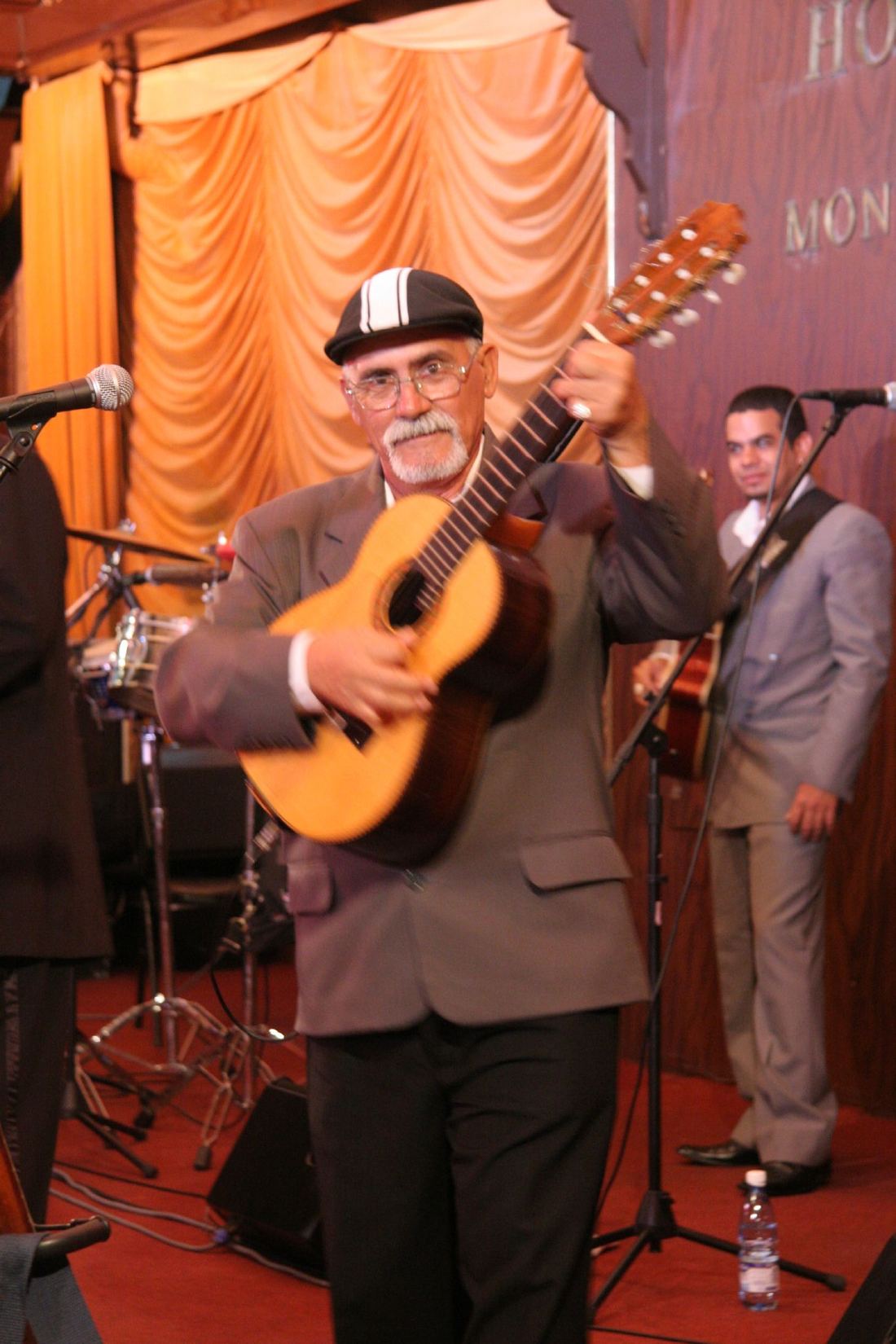
- Wikipedia: Septeto Nacional
- Wikipedia: Sexteto Habanero
- World Music Central: Artist Profiles: Septeto Nacional
Facts on this page were checked against these sources.




.jpg)